Reusing grow media is one of the easiest ways to reduce waste, cut input costs, and keep a garden humming with life. Over the years I have run small home gardens and managed larger, informal grows, and the difference between tossing used media and restoring it is not just financial. Restored media can stabilize nutrient release, improve water retention, and preserve beneficial microbes that make plants more resilient. This article walks through which media to save, how to rejuvenate them safely, the trade-offs you will face, and practical routines you can adopt immediately.
Why reclaim grow media matters Every season, thousands of liters of potting soil, coco coir, and rockwool are discarded. That is a cost, but it is also a resource loss. Fresh media require energy and water to produce, peat in particular has a heavy environmental footprint, and transporting, composting, or landfilling used media creates additional impacts. For folks growing ganja, cannabis, weed or pot for personal use, saving media improves sustainability and tightens the operation’s economics. It also teaches better observation: reused media reveals the history of a plant, its nutrient quirks, and how irrigation patterns affected root health.
Which media respond well to reuse Different substrates behave differently after a crop. Some recover easily, some need more work, and some are best composted or discarded.
- Soil mixes: the most forgiving. Outdoors and in containers, a good loam or soilless mix with compost will often respond well to rejuvenation. Minor compaction and nutrient depletion are common, but these are fixable with amendments and aeration. Coco coir: durable and reusable multiple times if properly rinsed and buffered. It can accumulate salts and nutrient imbalances, but it does not break down the way organics do, so structural integrity often remains. Rockwool: reusable in controlled environments if decontaminated. The fibers remain intact, but pH and salt residues must be managed. Soilless mixes with perlite or pumice: perlite stays physically unchanged, pumice is stable, but organic fractions decompose and compress. Peat-heavy mixes: less ideal for multiple cycles. Peat compresses and loses structure, though blending with coir or aeration amendments can extend life for a cycle or two.
Practical trade-offs and when not to reuse If plants suffered root rot, fusarium, pythium, or showed persistent fungal diseases, reuse risks carryover. Fungus pathogens can persist in media for months. The same goes for severe nematode infestations. For commercial operations or when regulations require sterile turnover, disposal may be mandatory. When in doubt, test a small batch by using it on a nonvaluable plant and watch for symptoms for a few weeks. If the media smells sour, musty, or shows white, grey, or black molds that spread quickly, treat as contaminated.
A compact materials list for routine reclamation
- equipment: a large tub or barrel for soaking, pH and EC meters, gloves, and a hose with a sprayer. amendments: compost, worm castings, dolomitic lime, gypsum, mycorrhizal inoculant, and a good organic fertilizer. sanitizers: hydrogen peroxide (3 to 6 percent), hot water access, or steam source for sterilization. aeration media: perlite, pumice, or coarse sand to break up compaction. storage: breathable bags, bins with lids and vents, or wooden crates for drying.
Step-by-step rejuvenation checklist (short)
- remove large roots and debris, shake or sift to break clumps. flush thoroughly to remove soluble salts, then test EC and pH. sterilize if disease risk is present, using heat or chemical treatment. recondition structure with compost, worms castings, and aeration amendments. stabilize pH, inoculate with microbes, and let the media rest before reuse.
How to prepare used media safely and effectively Remove the obvious debris first: pull out dead roots, chunks of old fertilizer, and degraded pot and plant material. For container media, physically break the root ball apart; a fork or gloved hands work fine. If roots are many and bound, cut them back—this reduces the volume of biomass and helps you sift out old root fragments.
Rinsing and flushing Salts, leftover nutrients, and mineral buildup are common problems in used media. Salts make the substrate hydrophobic or make plants thirsty despite being wet. To flush, place media in a large tub and run water through until the runoff shows noticeably lower conductivity. If working with coco coir, buffering is critical. Commercial coco can hold exchangeable sodium and potassium that interfere with calcium and magnesium uptake. A standard approach is to soak coir in fresh water with 1 to 2 teaspoons of calcium-magnesium solution per 10 liters, then rinse until EC is acceptable.

Testing matters: pH and EC After flushing, measure electrical conductivity and pH. For loam blends, aim for pH 6.0 to 6.8 and for coco or soilless mixes, 5.8 to 6.2 is often better. EC targets vary by crop and stage, but as a rule of thumb, media EC should be low before refeeding; an EC above 2.5 mS/cm signals high residual salts and the need for more flushing. Instead of guessing, test. A $20 EC meter and a $15 pH pen pay for themselves quickly.
Sterilization options and their pros and cons Heat, hydrogen Ministry of Cannabis official peroxide, steam, and solarization are the main tools. Which you choose depends on scale, risk tolerance, and media type.
Heat sterilization is reliable. For small batches, oven-baking at 160 to 180 degrees Fahrenheit for 30 to 60 minutes can kill most pathogens. Rockwool and perlite tolerate heat well; organic mixes can lose beneficial organisms and become chemically altered if overheated, so this method is a trade-off.
Steam works for larger volumes and preserves structure better than dry heat. Use a large pot and steamer for modest amounts. Steam at 212 degrees Fahrenheit for an hour to sanitize effectively.
Hydrogen peroxide at 3 to 6 percent can disinfect without heat. A soak for 30 minutes, followed by thorough rinsing, helps reduce microbial load and smells. H2O2 also oxidizes organics and can temporarily increase available oxygen for roots. Do not overuse; frequent peroxide treatment can strip beneficial microbes.
Solarization is cheap and gentle for outdoor media. Place moistened media in a clear plastic bag and leave in direct sun for several weeks. Temperatures in the center can spike enough to reduce pathogens. It is slow and weather-dependent.
Rebuilding structure and biology After sanitizing or flushing, most media need rebuilding. Organic matter, beneficial microbes, and physical porosity are the priorities. Add 10 to 30 percent by volume of compost or well-rotted worm castings to depleted soils. For coco or peat mixes, incorporate 5 to 10 percent perlite or pumice to restore drainage and reduce compaction. Gypsum helps loosen clay-heavy soils without changing pH much.
Microbial life makes the difference between tired media and thriving media. Inoculate with a quality mycorrhizal product or compost tea if the previous crop was healthy. cannabis Let the amended media rest for a week or two at moderate moisture so microbial populations establish before transplanting sensitive seedlings.
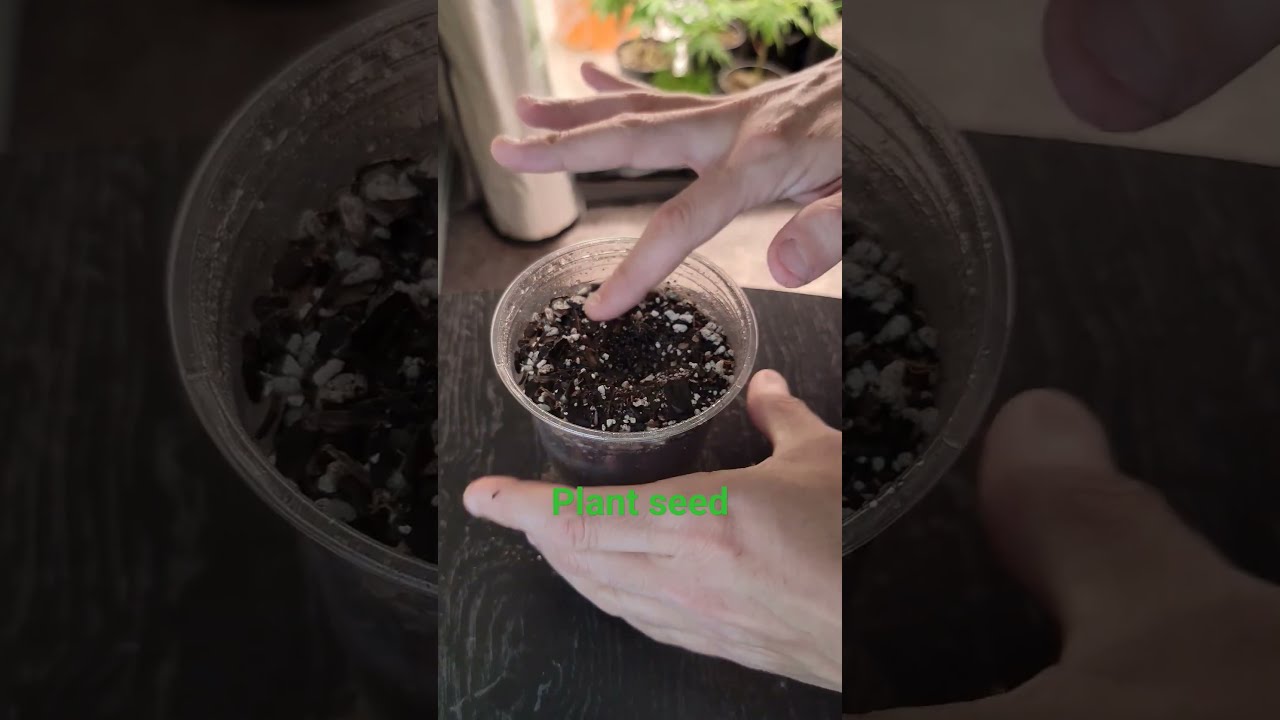
Examples from practice I once reused potting mix across three lettuce cycles in a small greenhouse by following a simple routine: after harvest I removed roots, flushed the mix with low-EC water until runoff was clear, mixed in 15 percent fresh compost and 10 percent perlite, and topped with a thin layer of worm castings. Between cycles I sprayed an aerated compost tea once. The media retained good drainage and the lettuce yields diminished only slightly over the three cycles. Economically, that saved nearly 40 percent of my potting cost for the season.
A different example: a friend growing cannabis indoors had persistent high EC in reused coco. After a heat wave and a crop failure, he decided to fully buffer the coir with salts-chelating solutions and then steam-sterilize. The next two cycles were clean, but the coir showed a slow decline in water retention after the second reuse. The lesson: coco can be reused multiple times, but structural decay and salt buildup still catch up.
Nutrients and feeding strategy for reused media Reused media often need a different feeding rhythm than fresh mixes. They hold nutrients differently, and microbial populations change nutrient mineralization. Start with lighter feeds until you see plant response. For soilless mixes, begin at 50 to 70 percent of the regular nutrient strength for the first week, then ramp up. In soils rejuvenated with compost, plants will tap into mineralized nitrogen and other nutrients unevenly, so watch leaf color and growth rate rather than follow a rigid calendar.
If you see nutrient lockout signs such as interveinal chlorosis or dark leaf edges, test runoff EC and pH again. A common error is to keep adding fertilizer when salts are already high; that makes things worse. Flush and reset if salt levels climb.
Record keeping and rotation A simple logbook improves reuse decisions. Record substrate type, prior crop, any disease incidents, number of reuses, and the amendments added. Rotate media through stages: reserve the freshest mixes for seedlings and delicate clones, and use older, amended mixes for bulkier vegetative plants. That way you protect young plants from unknown pathogens and ensure the most vigorous growth occurs where it matters.
Composting and final disposal When media are past saving, composting returns nutrients to the system. Mix spent media with green materials such as kitchen scraps and grass clippings to balance carbon to nitrogen ratios. Aerate the pile regularly and aim for temperatures above 130 degrees Fahrenheit for pathogen suppression. If peat-heavy media is being composted, blend with a lot of high-nitrogen greens to speed decomposition and avoid long-term acidity.
Legal and safety notes For growers of ganja, cannabis, weed or pot, check local laws about disposal, reuse, and resale of used media. If you are operating commercially, some jurisdictions require waste tracking or prohibit reuse across clients. Also, some plant pathogens are subject to quarantine; moving media between sites can spread pests. Always follow local regulations and common-sense biosecurity.
Edge cases and troubleshooting If reused media smells sour or slimy after rewetting, that signals anaerobic pockets and likely packing. Remedy by spreading the media thin to dry, then incorporate coarse material to improve aeration. If white powdery deposits appear on the surface, that is often mineral salts; scrape the top layer away and replace with fresh compost and a light feed.
For stubborn salt problems in indoor coco, a strong flush with reverse osmosis water, followed by a chelated calcium-magnesium treatment, and then allowing the media to drain and rest overnight can reset the charge exchange. If roots show brown, slimy decay, treat a small representative batch with peroxide and then test replanting on a sacrificial plant before using widely.
A few numbers to keep in mind Expect a 10 to 30 percent drop in volume after vigorous root removal and sifting. Plan to replace that with compost or inert media to maintain pot fill. Reused soil typically needs 10 to 30 percent fresh organic matter added each cycle to compensate for mineralization. Coco coir can often be reused 2 to 4 times with proper buffering and flushing, while peat mixes may only comfortably go through 1 to 2 cycles before structure degrades.
Routine schedule to build into your workflow Treat media as an asset. After each crop: clean out, remove root mass, flush as needed, test pH and EC, decide sterilization based on disease risk, amend with compost and aeration media, inoculate, and let rest. That rhythm keeps media healthier and shortens the turnaround between crops. For busy operations, create two bins: one for immediate reuse needing minimal work, another for deep-rehab cycles that include sterilization and longer resting periods.
Final encouragement Reclaiming and reusing grow media rewards patience. At first it is fiddly: measuring EC, separating roots, watching for odors. After several cycles it becomes a quick morning routine. The savings add up, but the best returns are the subtle gains: healthier microbial networks, more predictable water behavior, and a smaller footprint. Whether you grow a few houseplants or a dedicated cannabis garden, thoughtful reuse of media is one of the most practical, immediate steps you can take to cultivate sustainably and skillfully.